Introduction
Cars are constantly exposed to rain, salt, dirt, and road debris — all of which can damage the undercarriage over time. For many drivers, the question arises: is undercoating worth the investment?
Undercoating (also called underbody coating or rust-proofing) creates a protective barrier under your vehicle to guard against rust and corrosion. At Roadmaster Auto, we believe it’s a valuable service when done properly — but only when the vehicle, climate, and driving conditions make it worthwhile. In this blog, we break down the pros and cons to help Nova Scotia drivers make an informed decision.
What Is Undercoating?
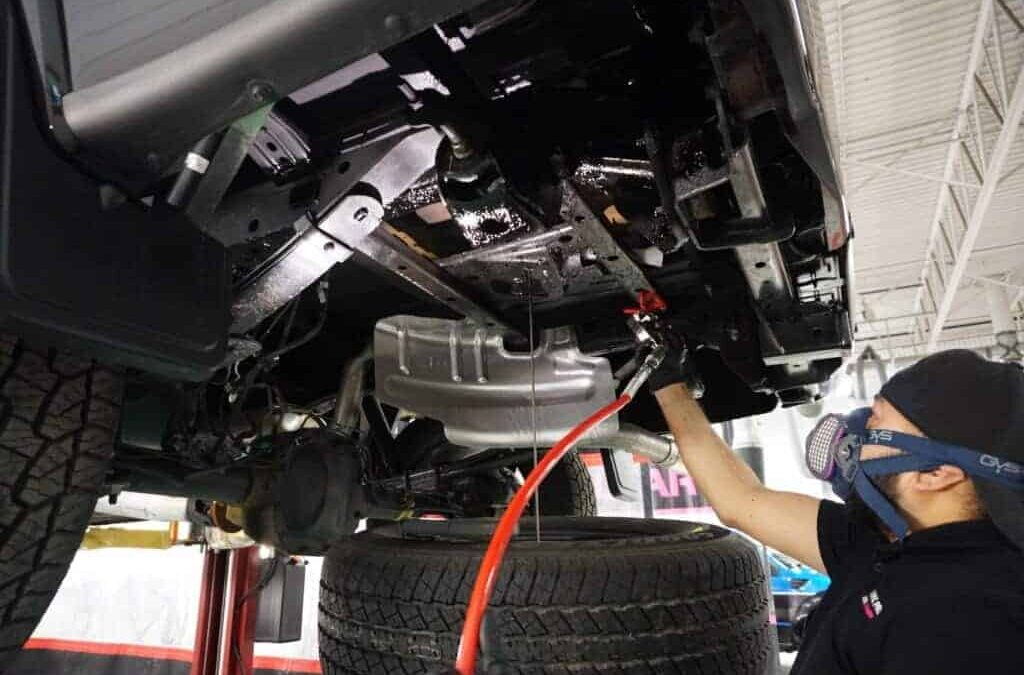
Undercoating is a protective treatment applied to a vehicle’s underside to prevent rust, corrosion, and damage from road debris. The coating — often rubberized, asphalt-based, wax-based or oil-based — seals metal components against moisture, salt, gravel, and chemicals. The process may also reduce road noise and help preserve structural and mechanical components.
Depending on the product and method used, undercoating can be applied professionally or via DIY kits. However, proper surface preparation — cleaning, removing existing rust/debris, and ensuring a dry undercarriage — is critical before application.
Main Benefits of Undercoating
✅ Rust & Corrosion Protection
Undercoating creates a barrier between metal parts and moisture, road salt, grime, and chemicals — significantly reducing the risk of rust and corrosion. This is especially valuable in climates where salt, snow, rain, or coastal air can accelerate rust.
✅ Longer Vehicle Lifespan & Structural Integrity
By protecting the undercarriage, frame rails, suspension mounting points, and other critical metal components, undercoating helps preserve structural integrity — which can lead to a longer lifespan for your car.
✅ Noise and Vibration Reduction
Many undercoating materials also act as a sound-dampening layer, reducing road and mechanical noise and providing a quieter and more comfortable ride.
✅ Preserved Resale Value
A well-maintained, rust-free undercarriage makes a car more appealing to buyers, potentially increasing its resale value.
✅ Better Protection in Harsh Conditions
If you drive often on salted roads, gravel, or coastal areas — or expect exposure to snow, ice, and moisture — undercoating gives extra protection that factory paint or basic rust prevention might not fully provide.
When Undercoating May Not Be Worth It / Potential Drawbacks
⚠️ Not a Rust Cure — Only Prevention
Undercoating can help prevent rust, but it won’t reverse existing rust or corrosion. If rust is already present, that should be cleaned and treated before any coating is applied; otherwise the rust may continue underneath.
⚠️ Added Cost and Maintenance
Professional undercoating can be costly. Some treatments need periodic reapplication to remain effective — especially in climates with heavy moisture, salt, or frequent driving on rough surfaces.
⚠️ Risk of Trapping Moisture or Debris
If undercoating is applied poorly (onto dirty, damp, or rusty metal), it can trap moisture or salt against the metal — which can accelerate rust rather than prevent it.
⚠️ Potential Warranty or Inspection Issues
In some cases, aftermarket undercoating might interfere with manufacturer warranty terms or make inspections harder (e.g. rust or structural issues can be hidden behind the coating)
⚠️ Not Always Needed for Short-Term or Urban Cars
If you live in a region with mild conditions, drive mostly on clean roads, or plan to sell/replace the car soon, undercoating may offer limited benefit — especially if the vehicle already has factory rust protection.
Is Undercoating Good for Your Car in Nova Scotia?
In the context of Nova Scotia — where winters can bring snow, road salt, and coastal salt air — undercoating is often a smart preventive measure. For drivers who:
-
plan to keep their vehicle for many years;
-
drive frequently during winter or near coastal areas;
-
travel on gravel, salted, or unpaved roads;
-
care about long-term value and resale potential;
…undercoating can add real value by preserving metal integrity, reducing corrosion risk, and maintaining structural safety.
If your car is newer, driven mostly on clean roads, and kept for short periods, you may weigh carefully whether the cost justifies the benefits.
At Roadmaster Auto, our certified technicians can inspect your vehicle, check for existing rust or damage, and recommend the right protection — undercoating or alternatives — based on your driving habits and conditions.
Conclusion
Undercoating can be good for your car — especially in harsh climates or if you want to protect your vehicle for the long term. But the decision depends on many factors: how and where you drive, whether the undercarriage is already rust-free, and how long you plan to keep your car.
When applied properly and maintained, undercoating offers strong protection against rust, enhances comfort, and preserves vehicle value. At Roadmaster Auto, we believe in honest evaluations: if undercoating makes sense for your car — we’ll say yes. If it doesn’t, we’ll help you find smarter maintenance.
Want us to check if your car needs undercoating? Contact Roadmaster Auto today for a free underbody inspection and honest advice.